Tea, Scones, and Suspicion: The Role of Food in Cozy Mysteries
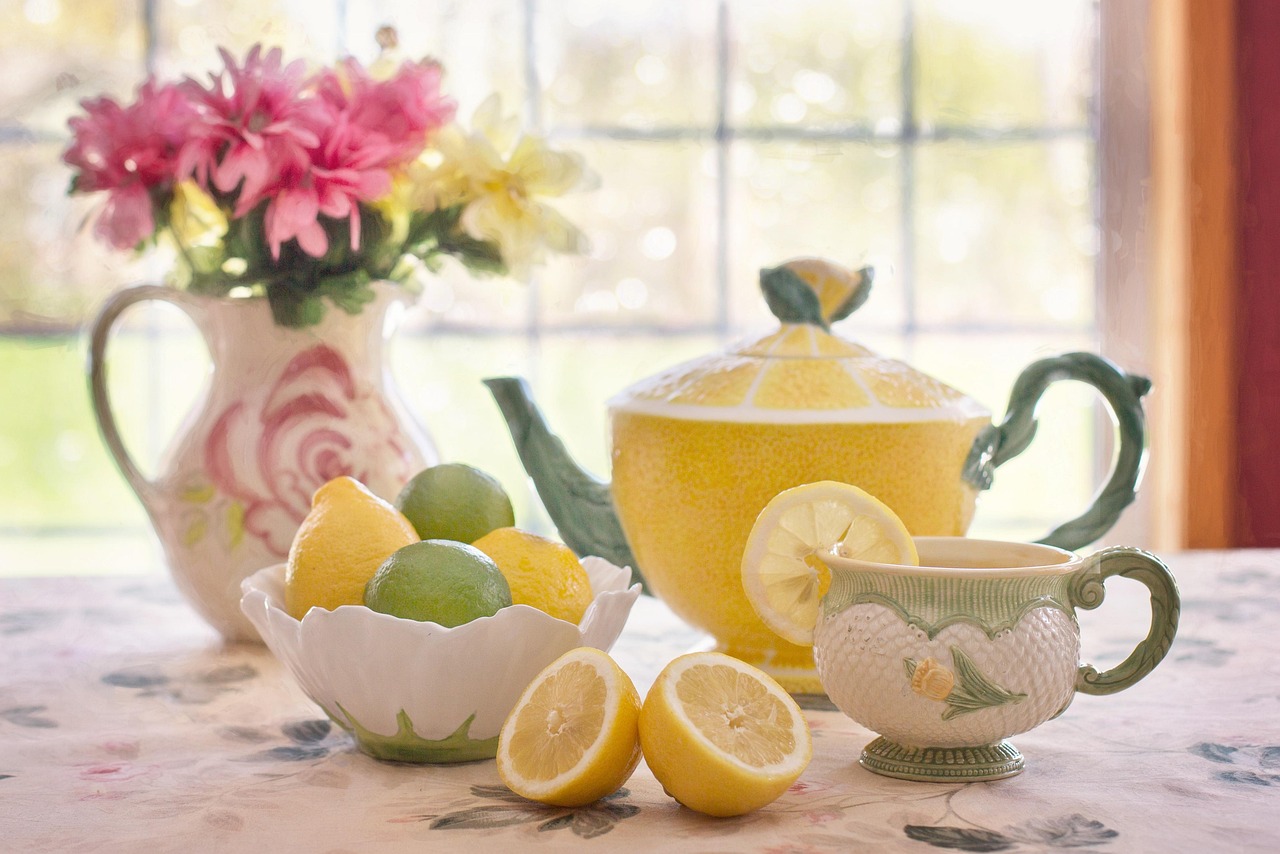
There is no cozy mystery without a pot of tea. It is practically a rule of the genre. Whether the sleuth is pondering a clue in her kitchen or meeting a friend at the local cafe, food and drink are woven into the fabric of the story. But the role of food in cozy mysteries goes far beyond mere ambiance. It is a tool for characterization, a vehicle for clues, and a symbol of the community that the crime has disrupted.
Food as Comfort and Character
In cozy mysteries, food is often a reflection of the characters themselves. The baker who expresses love through perfectly laminated pastries. The retired professor who brews a precise cup of Earl Grey while reviewing his notes. The innkeeper who sets out a plate of cookies for every guest, no matter how late they arrive. These small details tell us who these people are without lengthy exposition. They show us what matters to them and how they relate to the world around them.
Food also provides comfort, both for the characters and for the reader. When a murder has shaken the community, a shared meal becomes a way of reestablishing normalcy. It is a reminder that life goes on, that there is still warmth and generosity in the world. These moments of respite are essential in a cozy mystery, balancing the tension of the investigation with the simple pleasures of daily life.
And of course, food can be a source of humor. The sleuth who burns every batch of muffins. The neighbor who insists on bringing over a casserole at the worst possible moment. The suspect who is more concerned about his prize-winning jam than the murder investigation. These lighthearted moments keep the tone from becoming too heavy, reminding us that cozy mysteries are, at their heart, meant to be enjoyable.
Clues, Red Herrings, and Culinary Intrigue
Beyond comfort and character, food often plays a direct role in the mystery itself. A poisoned tart. A missing recipe. A grocery receipt that places a suspect at the scene of the crime. These culinary clues are a staple of the genre, and they work because they are so ordinary. We all understand the significance of a half-eaten meal or a strange ingredient. When a sleuth notices that the victim's tea was sweetened with honey instead of sugar, we immediately grasp the implication: someone else was there.
Food can also serve as a red herring. The rival baker who seemed so suspicious turns out to have been delivering a birthday cake, not a threat. The mysterious package in the freezer contains nothing more sinister than a forgotten casserole. These misdirections keep readers guessing and add layers to the investigation, making the eventual solution all the more satisfying.
In many cozy mysteries, food is also a way of bringing people together, which makes it a powerful tool for gathering information. A potluck dinner, a church bake sale, a cooking class: these events provide natural opportunities for the sleuth to observe, listen, and ask questions. The suspects are relaxed, their guard down, and in the midst of passing plates and refilling cups, secrets have a way of slipping out.
Ultimately, food in cozy mysteries is a celebration of the everyday. It reminds us that even in the midst of tragedy, there is still room for a warm scone and a friendly chat. And sometimes, that is exactly what we need to keep going.