Second Chances and Small-Town Hearts: The Romance of Starting Over
There is a particular kind of magic in a story about starting over. A character returns to her hometown after years away, or moves to a small town where she knows no one, and slowly, unexpectedly, finds a new life waiting for her. In cozy romance, this premise is a beloved staple, and for good reason. It speaks to something deep within us: the hope that no matter how far we have strayed or how badly we have failed, there is always a chance to begin again.
The Allure of the Fresh Start
Second-chance romances resonate because they acknowledge that life is messy. The heroine is not a naive young woman experiencing love for the first time. She is someone who has been hurt, who has made mistakes, who carries the weight of past disappointments. When she arrives in a new place, she is not looking for love. She is looking for peace, purpose, or simply a place to catch her breath. This makes her journey toward romance feel earned and authentic.
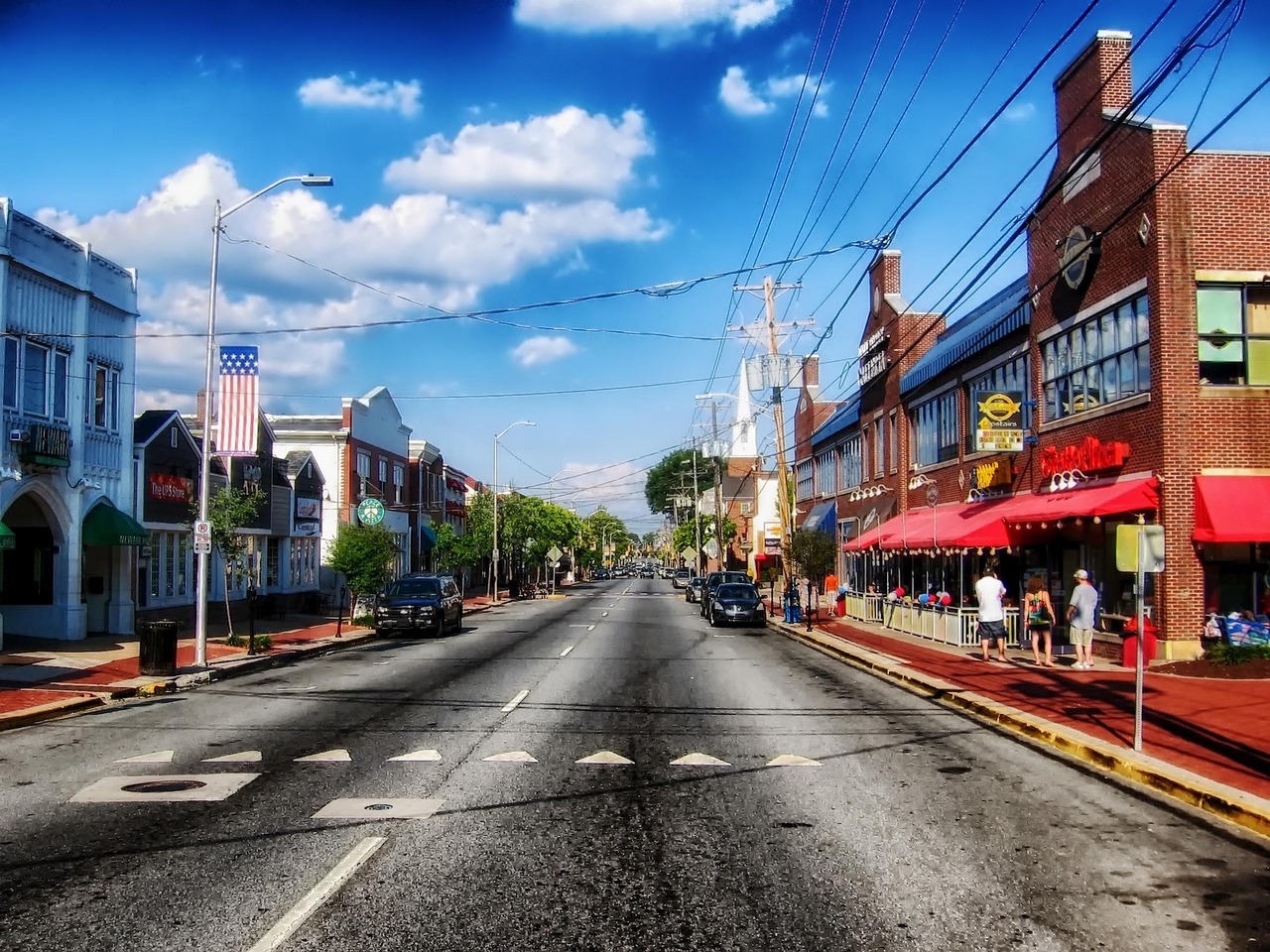
The setting plays a crucial role in these stories. Small towns, with their slower pace and tight-knit communities, offer a natural contrast to the chaos of city life. They are places where people notice when you are new, where they bring you casseroles and invite you to join the book club, where they ask questions but also offer help. For a character who has been burned by the anonymity of urban life, this can feel both overwhelming and deeply comforting.
And of course, there is often a love interest who represents everything the heroine thought she did not want. A stubborn carpenter who challenges her assumptions. A quiet bookstore owner who listens more than he speaks. A single father who understands what it means to rebuild. These men are not perfect, and neither is she. But together, they create something that feels real and lasting.
Healing Through Connection and Community
What makes second-chance romances so satisfying is the way they intertwine personal healing with community connection. The heroine does not just find love; she finds a place where she belongs. She joins the local theater group, volunteers at the animal shelter, becomes a regular at the diner where everyone knows her order. These small acts of belonging are as important to the story as the romance itself, because they show that healing is not just about one relationship. It is about rebuilding a life.
The love interest often plays a role in this process, but he is not a savior. He is a partner. He supports her, challenges her, and sometimes frustrates her, but he does not fix her. She does that herself, with his encouragement and the support of the community around her. This distinction is important, because it makes the romance feel balanced and respectful rather than dependent.
There is also often a mystery woven into these stories, which adds another layer of engagement. The heroine might uncover a local secret, solve a decades-old disappearance, or clear the name of someone she loves. This mystery gives her a purpose beyond romance, a way to prove her worth and make a tangible difference in her new community. And as she investigates, she grows closer to the people around her, including the man who will eventually win her heart.
In the end, the second-chance romance is a celebration of resilience. It reminds us that it is never too late to start again, that the places we least expect can become home, and that love, when it comes, is often better the second time around.